


Sometimes, “Better” Starts With Asking, “Why Are We Doing It This Way?”
What if your building could save your Front Desk Staff hours of repetitive work simply by doing things differently? We tested a new package tracking system that cut package-entry time by approximately 75%. Here’s what we learned about finding better ways to run a NYC co-op or condo.

Buying vs. Leasing Your Laundry Equipment: What Your Board Needs to Know
Your laundry room is the one amenity that generates income instead of costing it. Should your board buy the machines or lease out the room? We break down the real costs, the compliance responsibilities, and what to check before you sign.
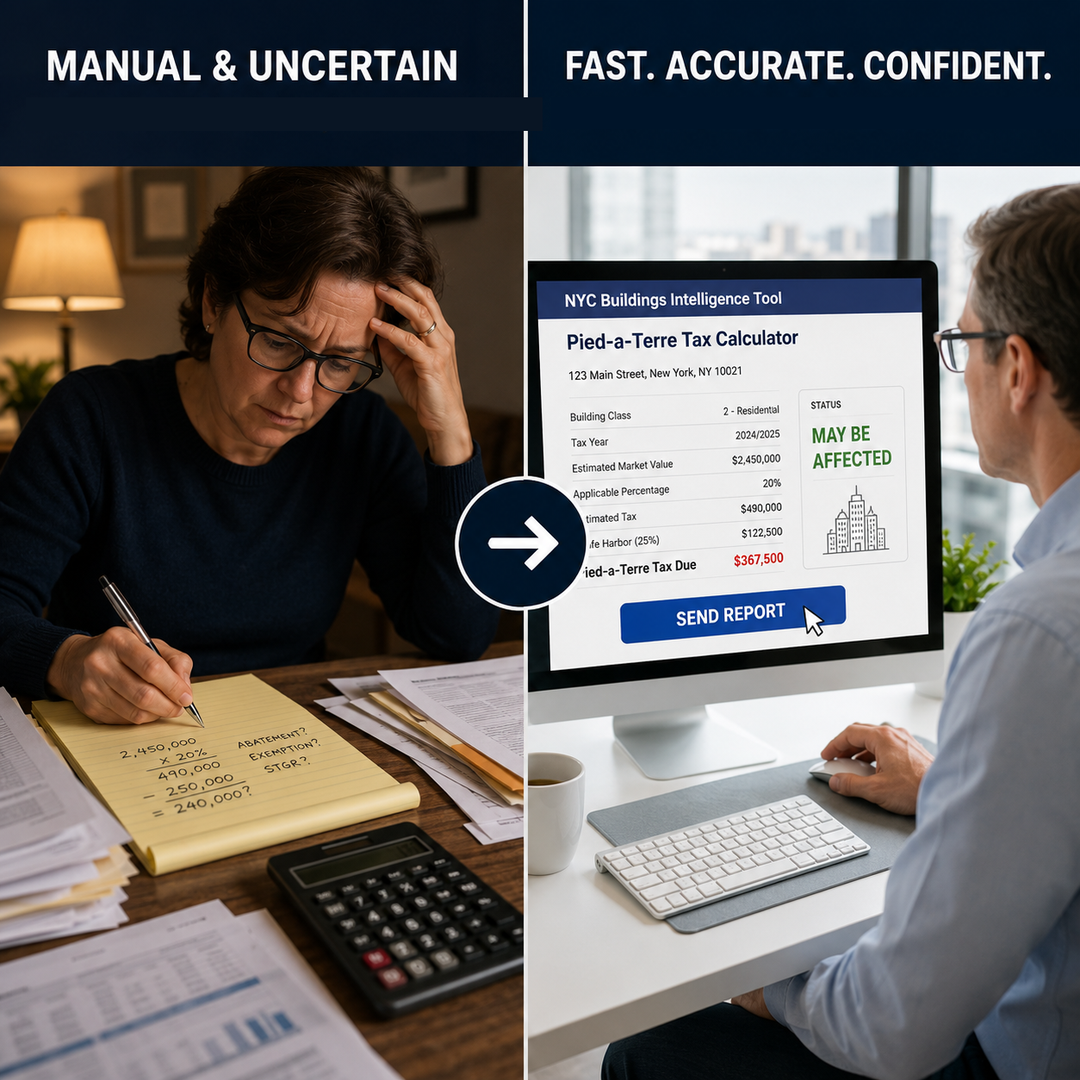
The Pied-à-Terre Tax Is Here. Find Out What It Means for Your Building.
The new NYC Pied-à-Terre Tax is now in effect, and many apartment owners may soon receive notices from the Department of Finance. Whether you're an owner, board member, broker, or property manager, understanding how the tax is calculated—and who it applies to—is essential. Learn how it works, why co-ops and condos are affected differently, and use our free calculator to estimate whether a building or apartment may be impacted.

The Best Strategies for Reducing Expenses in Your Condominium Building
Rising costs do not have to mean higher common charges every year. In this article, we share four practical strategies that help NYC condominium boards reduce expenses, from benchmarking costs and planning ahead to bundling capital projects and avoiding costly last-minute decisions.

How Do You Deal with a Difficult Board Member Without Creating More Conflict?
A practical guide for co-op and condo boards dealing with disruptive directors, former board presidents, and boardroom conflict.

It's Annual Meeting Season: What Every Condo or Co-op Should Know About Voting, Quorum, and Getting People to Show Up
It's Annual Meeting Season: What Every Condo or Co-op Should Know About Voting, Quorum, and Getting People to Show Up

NYC's New Co-op Application Timeline Law: What Your Board Needs to Know Before July 28
Intro. 1120-B takes effect July 28, 2026. Here is what NYC co-op boards and managing agents need to do before the deadline, and what happens if they miss it.
Resident Communication That Actually Works
Resident communication is one of the most underestimated tools a co-op or condo board has. When residents only hear from the board during delays, cost increases, or emergencies, frustration builds fast—even when the board is doing everything right. In NYC buildings, volunteer boards are managing complex budgets, navigating Local Laws, and overseeing long-term capital projects. Without clear, consistent updates, residents fill in the gaps themselves—and that’s when confusion turns into conflict.
This article breaks down why communication so often fails in co-ops and condos, what residents actually want to know (hint: it’s not everything), and how simple, predictable updates can dramatically reduce stress for both boards and shareholders. Think of it less like oversharing and more like a professional corporate update: clear progress, realistic timelines, and managed expectations.
When communication is done well, buildings become calmer, trust grows, and boards spend less time reacting to problems they never should’ve had to manage in the first place.

How to Run Your Building Like a Real Business
Running an NYC co-op or condo isn’t just about good intentions — it’s about fiduciary discipline. When buildings operate without clear rules, decisions become emotional, inconsistent, and risky. This guide breaks down what it really means to run your building like a business: protecting the corporation, reducing liability, supporting staff, and helping volunteer boards make smarter, fairer decisions with confidence.
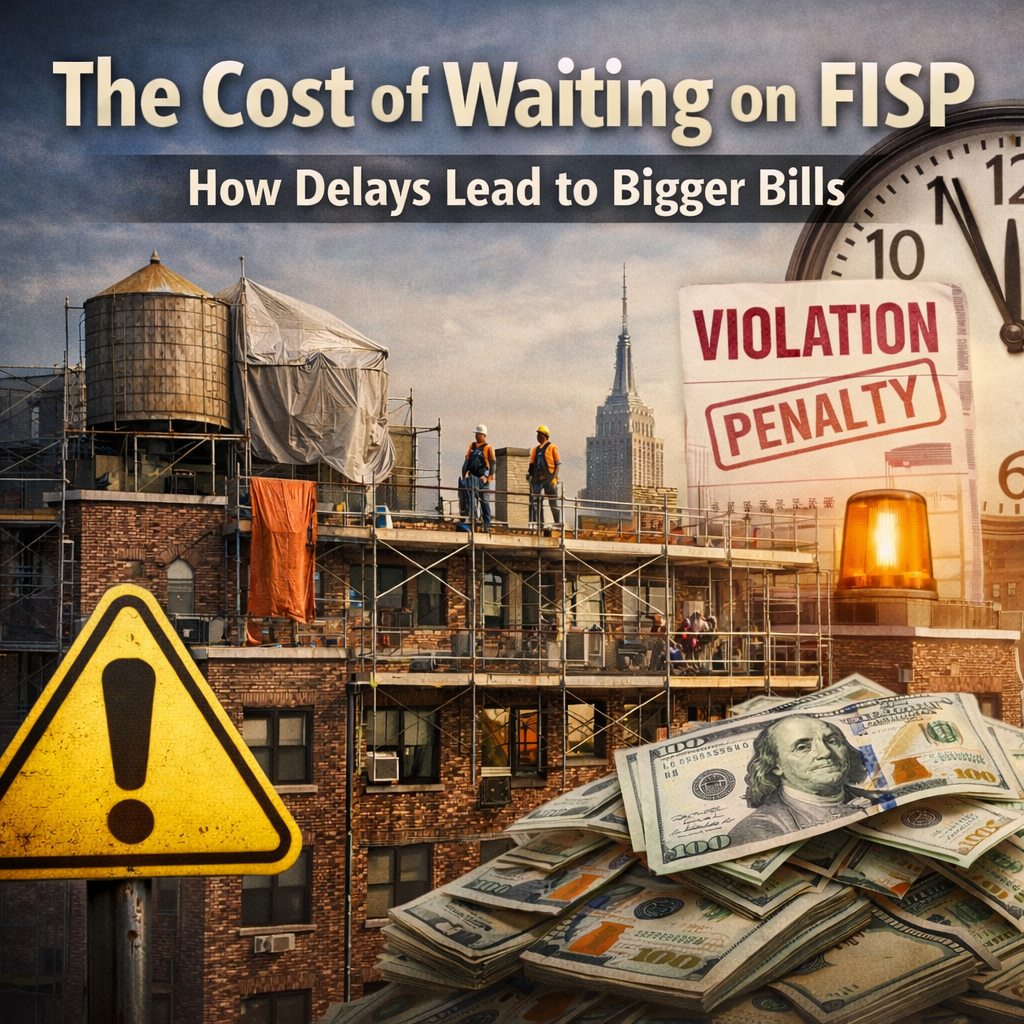
The Hidden Cost of Inaction: Why Waiting on FISP Will Cost Your Board More
Waiting on FISP (Local Law 11) doesn’t save money—it increases risk, repair costs, and resident disruption. This guide explains how delayed façade inspections lead to emergency work, higher assessments, and lost planning opportunities for NYC co-op and condo boards.