


NYC Co-op & Condo Budgeting
Avoid the Year-End Scramble with Smart Planning
Imagine owning a business. You only look at your finances once a year — in Q4 — and you never think about future growth, upcoming expenses, or risks.
Would that business thrive? Probably not.
Yet that’s exactly how many co-op and condo boards handle their buildings’ budgets.

Why Every NYC Co-op & Condo Needs a New Board Member Onboarding Process
Because You’d Never Hire an Employee Without One—So Why Do We?
Imagine getting hired for a job at a company—without any training, job description, or handbook. No one tells you who to report to, what your responsibilities are, or where the policies live. You're just expected to “figure it out.”
Unthinkable, right? And yet, that’s exactly how many NYC co-op and condo boards operate when welcoming new members.

Inside NYC Co-op Board Operations
The Real Reason Projects Get Delayed
Hint: It’s not laziness. It’s logistics.
If you've ever wondered why it takes so long for your building to complete a simple repair or make a decision—you're not alone. In fact, if you don’t live in a co-op, you might be shocked to learn just how slow things can move.

Creating a Five-Year Capital Plan for Your NYC Coop or Condo
The Real Costs of Deferred Maintenance (Yes, It Adds Up Fast)
You wouldn't skip your annual physical check-ups, right?
Your building needs the same kind of care.
Let’s walk you through how to create one that actually works—saving your board time, money, and stress.

NYC Coop and Condo Boards: Plan Now for the 2027 Elevator Safety Retrofit Deadline
What Is a Plunger —And Why Should You Care?
A plunger acts like the emergency in your car. It prevents an elevator from moving unexpectedly while people are getting in or out.

Why Is It So Hard to Get Quorum (and New Board Members) in NYC Coops?
If you’re on a coop or condo board, you already know: getting enough shareholders or unit owners to show up at the annual meeting can feel like pulling teeth. And when it comes to finding people willing to run for the board? That’s often even harder.

How to Tackle Local Law 97 Compliance for Your NYC Coop or Condo Building
As a co-op or condo board member, you’re likely feeling the pressure of Local Law 97 (LL97)—one of NYC’s most ambitious climate laws. Designed to reduce carbon emissions from large buildings, LL97 comes with strict emissions limits and potential fines for non-compliance.
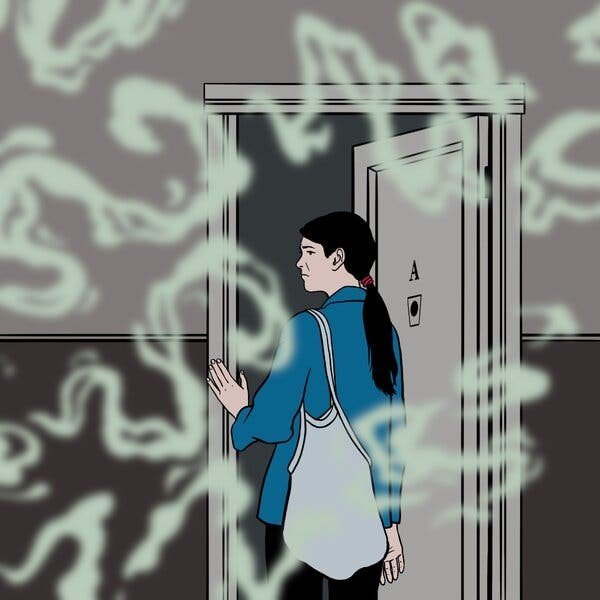
Unwanted Smells in NYC Coops
Tips from Mark Foley as seen in The New York Times
Did you know that two of the most common complaints in condos and coops are smells and noise? Whether it’s cooking odors, cigarette smoke, or even marijuana smoke, unwanted smells can quickly turn into a major issue in apartment living. If your neighbor’s smoking habits are making their way into your apartment, you’re not alone.

Local Law 111: NYC Lead Paint Inspection Requirements for Co-ops & Condos
A Beginner’s Guide to Lead Paint Inspections in NYC – Local Law 111 Explained
NYC’s Local Law 111 expands lead paint inspection requirements for multifamily buildings, including co-ops and condos. If your building was built before 1960—or between 1960 and 1978 with known lead-based paint—you must complete XRF testing in all common areas by August 9, 2025. Learn what your board needs to do to stay compliant and avoid fines.

Navigating Property Management Change
Lessons from Habitat Magazine’s Problem Solved! Podcast
Making a change in property management is one of the most significant decisions a co-op or condo board can face. In a recent episode of Habitat Magazine’s Problem Solved! podcast, Tina Larsson, co-founder and CEO of The Folson Group, shared a success story about a Westchester co-op board that found itself in a challenging situation with its existing property manager.